
Americans are hitting the wall earlier each day. That afternoon crash isn’t just in your head. Our modern diet loads us with quick fixes that spike blood sugar, then leave us dragging. Meanwhile, we’re shipping exotic superfoods from halfway around the world when some of the most powerful energy boosters grow right here. The solution isn’t another expensive supplement or trendy import.
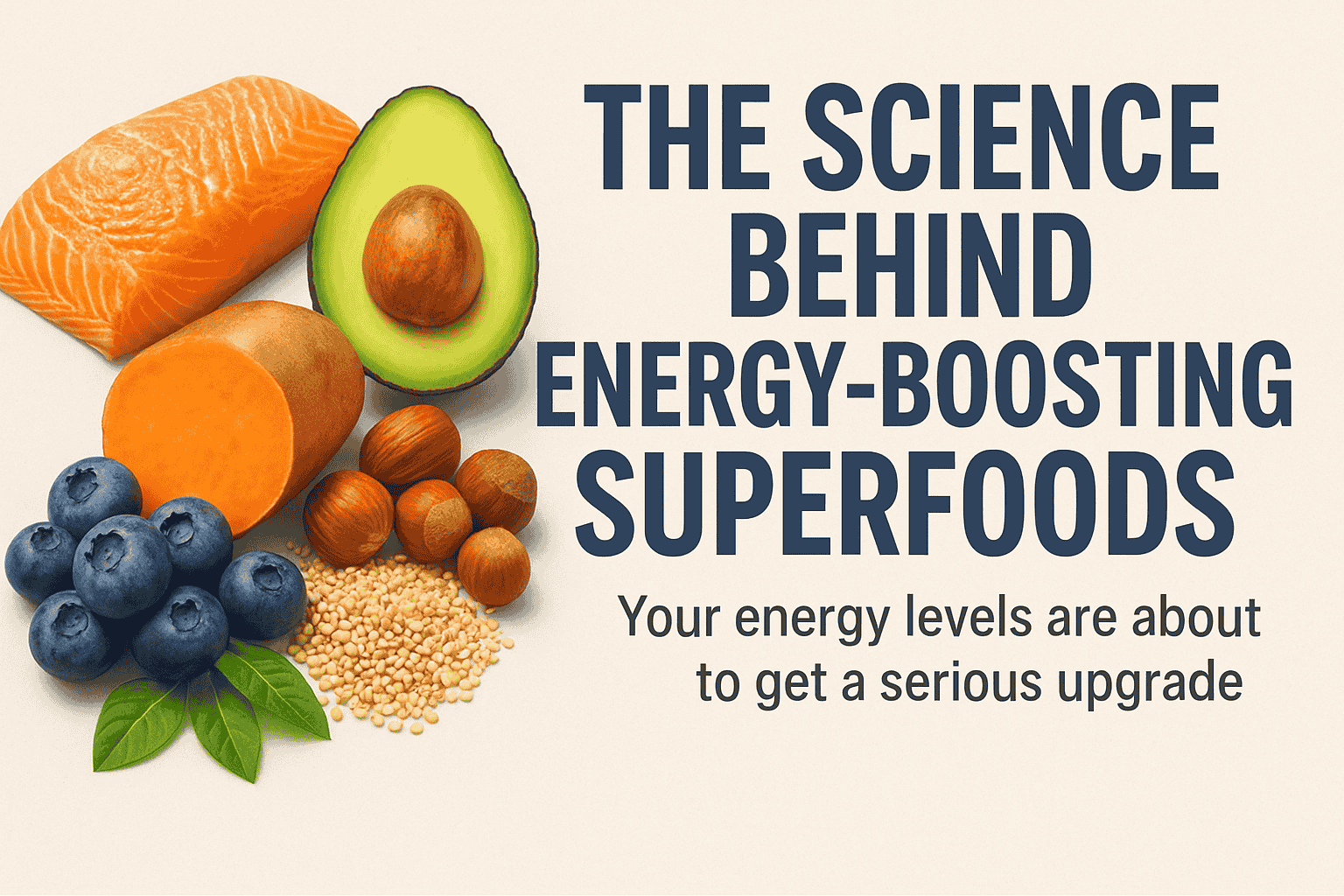
Real energy comes from nutrients your body can actually use. Think steady fuel instead of sugar rushes. The superfoods on this list aren’t just marketing hype backed by flashy Instagram posts. They’re grown on American soil, packed with compounds that support sustained energy production, and available at your local grocery store. Your energy levels are about to get a serious upgrade.
The Science Behind Energy-Boosting Superfoods
Your body runs on a complex fuel system that most people completely misunderstand. When you eat sugar or refined carbs, you get that quick burst followed by the inevitable crash. Real energy comes from nutrients that support your cellular powerhouses called mitochondria. B vitamins help convert food into usable energy. Iron carries oxygen to every cell. Magnesium powers over 300 enzymatic reactions. Antioxidants protect these processes from breaking down.
Local superfoods beat imported ones for a simple reason: they’re fresher when they reach you. That blueberry from Chile has been traveling for weeks, losing nutrients along the way. The one from Oregon was probably picked yesterday. Fresher means more vitamins, more minerals, more of everything your energy system needs. Plus, foods grown in American soil are adapted to support American bodies. Your ancestors ate from this land for generations. Your genes remember what works.
The Top 7 U.S. Energy Superfoods
1. Wild Alaskan Salmon
This fish swims thousands of miles upstream, building muscle density that translates directly into energy for you. Wild Alaskan salmon contains omega-3 fatty acids that power your brain’s communication networks. These essential fats help cells talk to each other faster and more efficiently. The complete protein profile provides all nine amino acids your body can’t produce alone. Unlike farmed varieties fed processed pellets, wild salmon eat krill and algae that create natural nutrients.
The difference shows up immediately on your plate and in your energy levels. Farmed salmon often contains artificial coloring and antibiotics that your liver must process. Wild salmon gets its vibrant color from natural carotenoids that actually boost your cellular energy production. Gentle cooking preserves these delicate compounds that high heat destroys. Try baking at 350°F with lemon and herbs, or pan-searing over medium heat. Your afternoon energy crash might disappear completely.
2. Pacific Northwest Blueberries
These small berries deliver more energy bang for your buck than almost any fruit. The deep blue color signals anthocyanins, powerful compounds that cross directly into your brain tissue. Unlike bananas or grapes that spike blood sugar fast, blueberries release energy slowly thanks to their fiber content. Your brain gets steady glucose without the crash that follows most sweet foods. One cup provides more antioxidants than most people eat in an entire day.
Peak season runs July through September when local berries flood farmers markets and grocery stores. Fresh tastes better, but frozen actually locks nutrients in at their peak ripeness. Those winter bags might contain more vitamins than fresh berries shipped from thousands of miles away. Stock up during summer and freeze your own by spreading them on baking sheets first. They’ll fuel your morning smoothies and keep your energy steady when the local season ends.
3. California Avocados
Your brain runs on fat, not sugar, and avocados provide the premium fuel it craves most. These green gems contain monounsaturated fats that keep your blood sugar steady for hours after eating. The potassium content actually exceeds bananas, preventing the muscle fatigue that saps your afternoon energy. Fiber slows down digestion, creating a time-release energy system instead of quick spikes followed by crashes. Most people avoid fat and wonder why they feel tired all day.
A perfect avocado yields gentle thumb pressure without feeling mushy or soft. The skin should be dark green to nearly black depending on the variety you’re buying. Unripe ones need counter time to soften, then move to your fridge once ready. Those brown spots that appear are just harmless oxidation, not spoilage. Add half to your morning smoothie or afternoon salad. The healthy fats help your body absorb vitamins from everything else you eat.
4. Great Lakes Whitefish
This overlooked protein swims in some of the cleanest freshwater on the continent. Great Lakes whitefish provides complete protein with significantly less mercury than most ocean varieties. The amino acids directly support neurotransmitter production, keeping your brain sharp and focused throughout long days. Unlike heavy fish that leave you feeling sluggish, whitefish digests easily and leaves energy for other activities. Your body doesn’t have to work overtime breaking down this clean protein source.
Sustainability matters for your long-term energy too, not just the environment around you. Great Lakes fisheries operate under strict management while ocean fish face overfishing and pollution pressure. Choosing fish from closer to home supports both your energy levels and cleaner food systems. Bake at 375°F with minimal seasoning or pan-sear over medium heat for best results. Overcooking turns any fish into rubber that your digestive system struggles to process efficiently.
5. Oregon Hazelnuts
These small nuts pack more energy nutrients per ounce than most people realize. Just a handful provides nearly your entire day’s vitamin E requirement, protecting cells from oxidative damage that causes fatigue. Magnesium powers over 300 energy-producing reactions happening inside your body right now. The combination of healthy fats and plant protein keeps you satisfied longer than empty carbs or sugary snacks. Oregon grows some of the world’s highest quality hazelnuts in ideal soil and climate conditions.
Buy them in shells when possible for maximum freshness and nutrient density. Pre-shelled nuts oxidize faster during transport and storage, losing both flavor and beneficial compounds. Store in airtight containers away from light and heat, or freeze for longer periods. Rancid nuts taste bitter and actually drain energy instead of providing it to your system. Toast whole hazelnuts in a dry pan for enhanced flavor. Add them to salads or eat straight as powerful afternoon fuel.
6. Midwest Quinoa
This ancient grain grows surprisingly well in American soil, particularly across Colorado, Montana, and neighboring states. Quinoa delivers all nine essential amino acids your body can’t manufacture on its own. The complex carbohydrates provide steady glucose release without the blood sugar roller coaster of refined grains. B vitamins fuel energy metabolism while iron prevents the exhaustion that comes with deficiency. Unlike wheat or rice, quinoa won’t leave you feeling heavy after meals.
Always rinse quinoa thoroughly before cooking to remove bitter-tasting saponins that coat each grain naturally. These compounds protect the plant from insects but taste awful to humans eating them. Use a fine-mesh strainer and rinse until water runs completely clear, usually about two minutes. Cook with a 2:1 water ratio, bringing to boil then simmering covered for fifteen minutes. Properly cooked quinoa has a slight crunch and nutty flavor that works anywhere you’d use rice.
7. Texas Sweet Potatoes
These orange powerhouses thrive in Texas heat and soil conditions that stress other crops. The beta-carotene creating their vibrant color converts directly to vitamin A inside your body for cellular energy support. Complex carbohydrates break down slowly, providing steady fuel that lasts hours without crashes or cravings. Fiber keeps your digestive system running smoothly, preventing the energy drain that comes with sluggish digestion. Unlike regular potatoes, sweet potatoes won’t spike blood sugar then abandon you an hour later.
Different varieties offer unique benefits beyond the standard orange flesh you see everywhere. Purple sweet potatoes contain anthocyanins similar to blueberries while white varieties have different mineral profiles. The skin holds concentrated nutrients, so scrub well and eat it along with the flesh. Bake whole at 400°F until tender, usually forty-five to sixty minutes depending on size. Skip the marshmallows and brown sugar that turn this superfood into dessert. Natural sweetness needs zero enhancement.
American Heart Association — for information on healthy fats, heart-friendly diets.https://fittrackup.com/smart-eating-for-weight-loss-your-complete-guide-to-natural-lasting-fat-reduction/
Daily Integration Strategies
Building sustained energy isn’t about timing one perfect meal. Your body needs steady fuel every 3-4 hours to maintain stable blood sugar and avoid crashes. Start your day with protein and healthy fats from salmon or avocado to set the foundation. Add blueberries or sweet potato for complex carbs that release slowly. Mid-morning, reach for hazelnuts instead of coffee for your second cup. Lunch should center around quinoa or whitefish with plenty of vegetables.
The magic happens when you combine these superfoods strategically throughout your day. Pair iron-rich foods like salmon with vitamin C from blueberries to boost absorption. Add healthy fats from avocado to meals containing fat-soluble vitamins. Prep quinoa in batches on Sunday for quick weekday energy. Keep hazelnuts in your car, desk drawer, and gym bag for emergency fuel. Buy frozen wild salmon when fresh gets expensive. Your energy stays consistent when your fuel source stays consistent.
What to Avoid
Energy drinks and protein bars marketed as healthy often contain more sugar than candy bars. These processed foods create the exact blood sugar roller coaster you’re trying to escape. Even “natural” energy bars with dates and agave spike your insulin, then leave you crashing harder than before. Granola, fruit juices, and smoothie bowls loaded with tropical fruits do the same damage. Your body can’t tell the difference between refined sugar and “healthy” sugar when it hits your bloodstream.
Processing destroys the nutrients that make superfoods super in the first place. Pre-cut fruits lose vitamin C within hours of being sliced. Roasted nuts often use oils that go rancid during storage. Canned salmon loses omega-3s and picks up BPA from the lining. Even freezing can damage delicate compounds if done incorrectly. Don’t pair iron-rich foods with coffee or tea,
since tannins block absorption. Skip calcium supplements with iron-containing meals for the same reason.
Conclusion
Your energy doesn’t have to depend on caffeine, sugar, or expensive supplements shipped from distant countries. These seven American-grown superfoods provide the building blocks your body actually needs for sustained power throughout the day. The nutrients work together naturally, supporting your cellular energy production instead of fighting against it. Fresh, local foods beat processed alternatives every single time.
Start with just one or two of these superfoods this week. Add wild salmon to your dinner rotation or swap your afternoon snack for hazelnuts. Your body will respond quickly to real nutrition, and your energy levels will follow. The path to lasting vitality grows right here in American soil.