
Walk into any gym today, and you’ll notice a new trend: more people following a proper exercise routine for older adults. The over-50 crowd isn’t hiding in the back doing gentle stretches anymore—they’re claiming their space with barbells and dumbbells. Following a structured exercise routine for older adults helps maintain strength, balance, and overall health.
Over the past few years, health priorities changed, and people realized that cardio alone wasn’t enough. More older adults began adopting a proper exercise routine for older adults to preserve muscle and bone strength. Medical research shows the benefits of a consistent exercise routine for older adults for preventing injuries and improving mobility. Insurance companies started covering senior-focused programs, making it easier to stick to an effective exercise routine for older adults. Finally, the fitness industry responded with classes and equipment for seniors, ensuring everyone can follow a safe exercise routine for older adults.
Why the Body Demands It
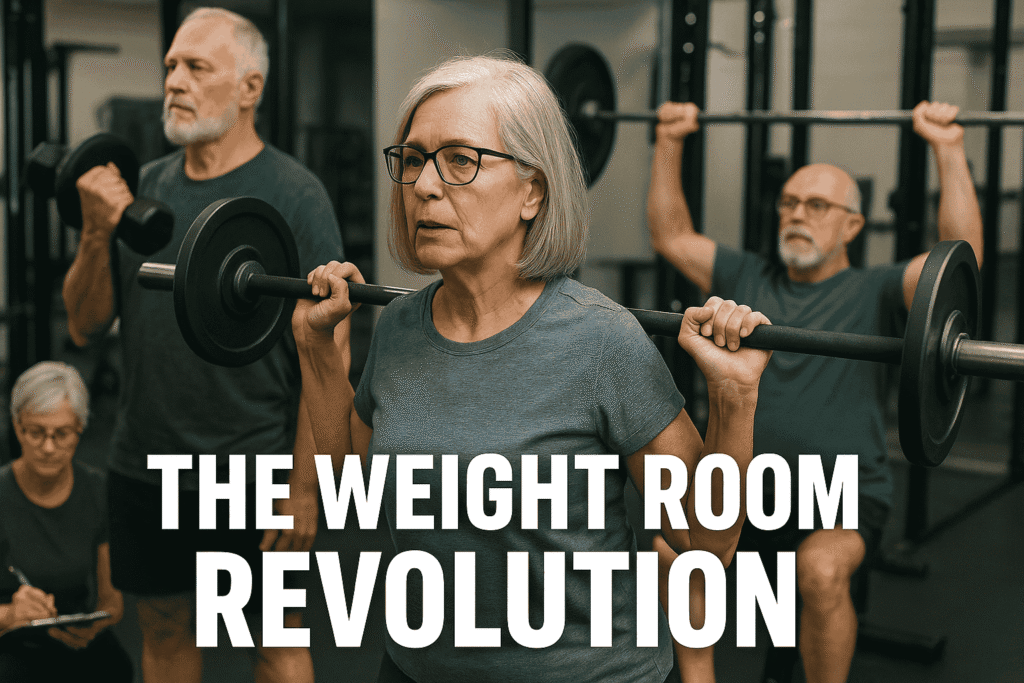
Your body starts betraying you around age 35. At this stage, muscle tissue disappears at a rate of 1–2% annually. By the time you reach 60, that loss accelerates to 3% each year. Strength drops 30% between ages 50 and 70. As a result, walking up stairs becomes harder, carrying groceries feels heavier, and opening jars may require help from others. This decline isn’t optional or negotiable; instead, it’s biology demanding attention. Traditional cardio won’t fix this problem. Fortunately, only resistance training can rebuild what time tears down.
The research tells a clear story about what happens when you fight back. For example, twelve weeks of combined balance and resistance training can transform functional mobility. Consequently, sit-to-stand power improves dramatically, and dynamic balance returns to younger levels. These aren’t abstract fitness measurements on charts; rather, they translate to real-life independence. As a result, you climb stairs confidently again, grocery bags feel manageable, and jar lids surrender without assistance. In other words, your body remembers how to be strong. Ultimately, the science proves that strength training reverses biological aging.
Breaking the Age Barrier Myth
You’ve probably heard all the excuses people make about strength training after 50. Too dangerous for older bodies. The risk of injury is too high. Better stick to walking and swimming. These beliefs sound reasonable but they’re completely wrong. Medical evidence shows the opposite is true. Strength training is safer than most activities seniors already do. The real danger lies in doing nothing at all. Muscle weakness kills more people than weight room accidents ever will.
Historical participation rates tell the embarrassing truth about our assumptions. Only 1-31% of older adults have traditionally done strength training. Meanwhile, medical professionals increasingly prescribe resistance exercise as primary treatment. A massive review of 121 studies with 6,700 participants confirmed significant strength gains. Moderate functional improvements happen consistently with proper programming. The barriers aren’t physical limitations or safety concerns. They’re outdated beliefs that need to die. Smart training beats scary thinking every time.
Popular Strength Training Methods for 50+
The beauty of modern strength training lies in having multiple pathways to success. For instance, functional movement patterns mirror daily activities like squatting and lifting. Meanwhile, machine-based approaches offer stability and controlled motion for beginners, whereas free weights provide natural movement patterns and engage the core. Additionally, bodyweight exercises require no equipment and can be done anywhere. Furthermore, high-intensity intervals maximize time efficiency for busy schedules. Ultimately, each method works when applied consistently, and the key is matching the approach to individual needs and preferences.
Your local gym probably offers all these options under one roof. Machines guide you through proper form while you build confidence. Free weights challenge balance and coordination as strength improves. Bodyweight movements can happen in your living room during commercial breaks. Interval training compresses full workouts into 20-minute sessions. Smart trainers combine multiple approaches for comprehensive programs. The method matters less than showing up regularly. Consistency trumps perfection in the strength building game.
Real Success Stories and Demographics
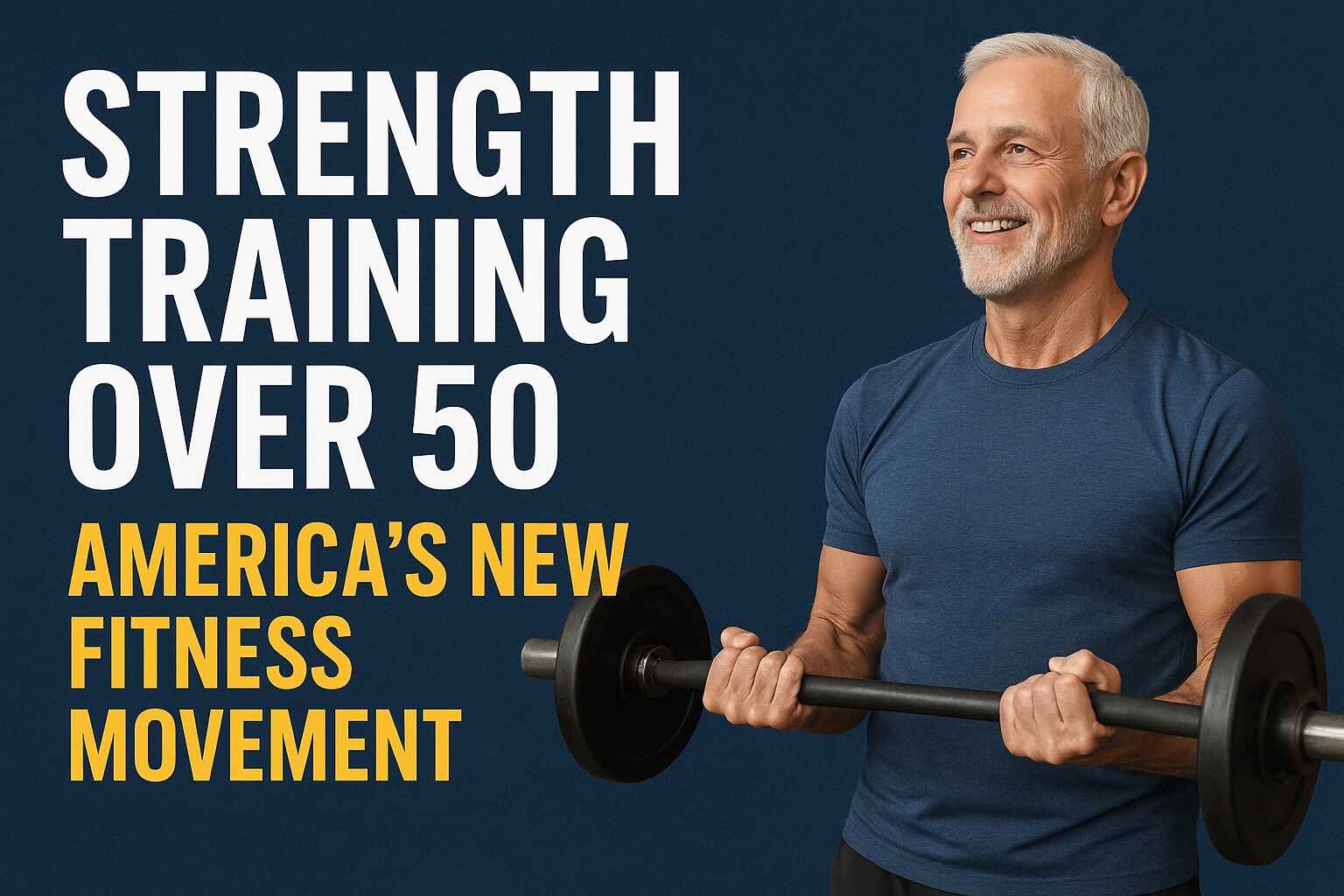
The transformation stories coming out of America’s gyms read like medical miracles. For example, Margaret from Denver deadlifts 135 pounds at age 67, and Robert in Miami reversed his pre-diabetes through strength training at 58. Similarly, Susan from Portland eliminated her chronic back pain after six months of squats. Importantly, these aren’t exceptional cases anymore; instead, they’re becoming the new normal across the country. Moreover, geographic data shows surprising hotspots in unexpected places, and rural communities are embracing strength training as enthusiastically as urban centers.
Income and education levels strongly predict participation rates in this fitness revolution. Specifically, higher earners and college graduates lead adoption of strength training programs. In addition, women over 50 are closing the participation gap with men rapidly. The demographic shift reflects changing attitudes about aging and physical capability. Consequently, success stories spread through social networks and medical referrals, and each transformation inspires others to start their own journey. As a result, the ripple effect is creating communities of strong, confident older adults nationwide.
Medical Community Supporta
Your doctor’s recommendations have probably changed dramatically over the past few years. Where physicians once cautioned against heavy lifting after 50, they now prescribe it. Physical therapy clinics integrate strength training into standard treatment protocols. Chronic disease management programs include resistance exercise as primary intervention. The medical establishment finally caught up with decades of research evidence. Insurance companies are taking notice and expanding coverage accordingly. This isn’t alternative medicine anymore. It’s mainstream healthcare.
The shift represents a fundamental change in how medicine approaches aging. Prevention through strength training costs less than treating frailty and falls later. Hospitals see fewer admissions from patients who maintain muscle mass and bone density. Rehabilitation outcomes improve dramatically when patients have existing strength training experience. Medical schools now teach resistance exercise prescription as standard curriculum. The healthcare system is betting big on strength training as preventive medicine. Smart money follows the evidence, and the evidence overwhelmingly supports lifting weights.
Industry Response and Growth
The fitness industry spotted this demographic shift early and adapted fast. Specialized programs for older adults appeared in major gym chains nationwide. Personal trainer certifications now emphasize senior-specific training protocols and safety considerations. Equipment manufacturers redesigned machines with larger displays and easier entry points. Technology companies developed apps that track progress and provide modifications for physical limitations. The business response has been swift and comprehensive across all market segments.
Market projections show explosive growth potential through the next decade. Baby boomers control unprecedented wealth and spending power in retirement years. Gym memberships among the 50+ demographic increased 40% since 2020 alone. Boutique studios focusing exclusively on older adults are opening monthly. Online training platforms report their fastest growing segment is seniors seeking home workouts. The industry transformation mirrors the demographic one perfectly. Where older adults go, smart businesses follow with solutions and services.
Getting Started Safely
The most important conversation happens before you touch any weights. Medical clearance isn’t just paperwork – it’s protection against preventable problems. Your doctor needs to know about existing conditions, medications, and previous injuries. Blood pressure, joint health, and cardiovascular status all influence your training approach. Skip this step and you risk turning beneficial exercise into harmful activity. Smart planning prevents stupid injuries that derail progress for months.
Finding qualified instruction makes the difference between success and frustration. Look for trainers with senior-specific certifications and actual experience working with older adults. Initial programs should emphasize proper form over heavy weights every single time. Common beginner mistakes include progressing too quickly, ignoring pain signals, and comparing yourself to others. Your journey is unique to your body and circumstances. Start conservatively, progress gradually, and celebrate small victories along the way. Patience builds strength better than pride.
Future of Senior Fitness
Market analysts predict the 50+ fitness segment will triple by 2030. Demographics alone guarantee this growth as baby boomers age into their peak spending years. Technology integration will accelerate adoption through virtual coaching and progress tracking systems. Healthcare integration seems inevitable as insurance companies recognize prevention cost savings. Cultural attitudes toward aging continue shifting from decline acceptance to active resistance. This isn’t a temporary fitness fad. It’s a permanent lifestyle change for an entire generation.
The broader implications extend far beyond individual health outcomes. Stronger older adults stay in the workforce longer, reducing social security strain. Healthcare costs decrease when people maintain muscle mass and bone density naturally. Family caregiving burdens lighten when parents remain functionally independent for additional years. Communities benefit from active, engaged seniors contributing skills and volunteer hours. The ripple effects of this strength training movement will reshape American aging. We’re witnessing the beginning of a fundamental cultural transformation.
The Movement’s True Impact
This strength training revolution represents more than improved physical fitness among older Americans. It signals a rejection of traditional aging narratives that accepted decline as inevitable. The weight room has become a symbol of resistance against biological destiny. Each rep challenges societal expectations about what 50, 60, and 70 should look like. The movement sustainability depends on continued medical support, industry innovation, and cultural reinforcement. Success stories must keep inspiring newcomers to start their own journeys.
The time to join this movement is now, regardless of your current fitness level. Your body doesn’t care if you start at 52 or 72 years old. Muscles respond to progressive resistance training at any age with proper programming. The healthcare system is finally aligned to support your efforts through coverage and professional guidance. The fitness industry has created accessible options for every budget and comfort level. Your future self will thank you for starting today. The only question left is whether you’ll participate or watch from the sidelines.
Your privacy is important to us. We do not sell your personal information to third parties. For more information about online privacy best practices, please visit Privacy and About Us